Bathroom Tiles: A Complete Guide to Selection and Care
By
Daniel
Published
2026-01-10 11:18:41
Read Time
5 min read
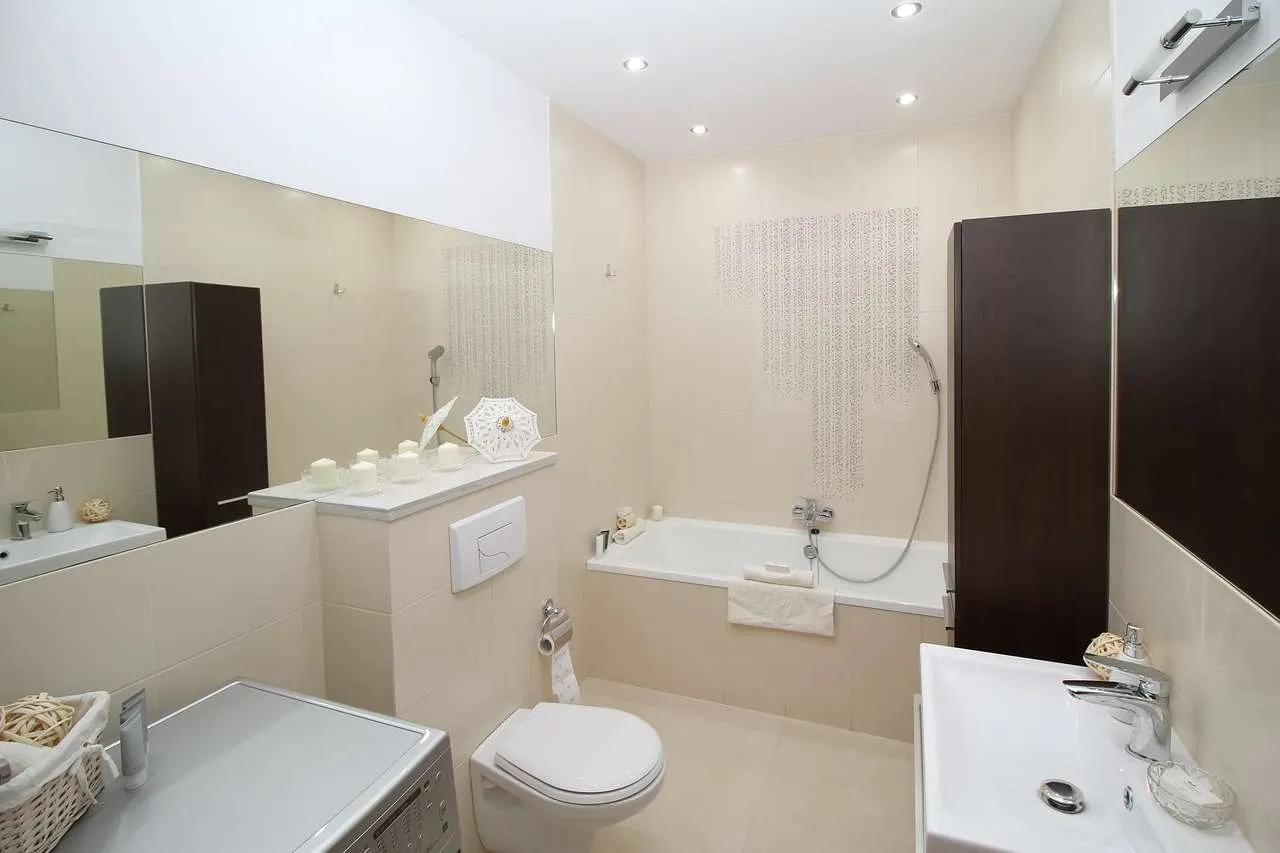
Choosing bathroom tiles blends design with durable performance. In moisture-prone spaces, the tile you choose affects aesthetics, hygiene, maintenance, and even resale value. This guide draws on industry best practices, material behavior, and professional installation standards to help homeowners and designers select bathroom tiles with confidence and clarity.
Types of bathroom tiles
Several tile families are widely used in bathrooms, each offering distinct looks, costs, and performance characteristics. Understanding these helps you balance style with function.
Ceramic tiles
Ceramic tiles are made from clay and glazed for color and protection. They are affordable, easy to cut, and come in an endless array of patterns and textures. Their water absorption rate is moderate, making them a solid choice for bathroom walls and backsplashes. Glazed options can be highly stain-resistant and simple to clean, though they may be less durable under heavy impact than porcelain.
Porcelain tiles
Porcelain is a denser, more water-resistant cousin of ceramic, often categorized by its low porosity and durability. Because of their strength and lower maintenance needs, porcelain tiles are popular for floors, showers, and wet rooms in homes and commercial spaces. They can be found in glazed or through-body varieties, and while they typically cost more upfront, their longevity can offer better long-term value.
Natural stone tiles
Marble, travertine, slate, and other stones provide a premium, unique look with natural variation. Stone tiles require sealing, careful maintenance, and attention to moisture and slip resistance. They are sensitive to staining and etching from acidic cleaners, so select honed (matte) finishes for wet areas and use an appropriate sealant regimen to preserve color and texture.
Glass tiles and mosaics
Glass tiles create light, depth, and a contemporary feel. They resist staining and are easy to wipe clean, but may show water spots and can be slippery when wet if used on floors. Mosaic formats are popular for shower niches and decorative borders, often paired with larger field tiles to balance maintenance with design detail.
Key considerations when choosing bathroom tiles
- Moisture resistance: In showers and wet zones, opt for tiles with low water absorption (such as porcelain) to prevent long-term issues.
- Slip resistance: Check the DCOF rating for floor tiles; higher ratings are safer in wet areas.
- Size and layout: Large-format tiles reduce grout lines and create a seamless look, while smaller formats or mosaics offer better grip and pattern flexibility for niches and borders.
- Maintenance: Glazed ceramic and porcelain are generally easier to maintain; unglazed or natural stone may require sealing and periodic care.
- Color and durability: Light shades show wear sooner, while darker tones can hide grime but require attention to grout color and cleaning methods.
- Professional installation: Moisture management depends on proper substrate prep, waterproofing, and suitable adhesives. Always request a written warranty and verify that installers are licensed and insured.
Style and design ideas
Subway tiles in a classic herringbone, brick, or vertical stack pattern remain timeless in bathrooms. Large-format porcelain tiles mimic natural stone while staying practical underfoot. Pair a glossy glass accent with matte porcelain fields for contrast, or create a spa-like aesthetic with honed natural stone and soft grout colors that emphasize calm surfaces and minimal visual lines.
Installation and maintenance
Installation basics
Start with a clean, flat, moisture-free substrate. In wet zones, apply a reliable waterproof membrane beneath the tile and use the appropriate thinset mortar and grout. For natural stone, consider a stone-specific sealant and grout that resists staining. Working with a licensed installer who understands bathroom moisture dynamics helps prevent common failures such as cracking, efflorescence, or grout deterioration. Always ensure a warranty covers waterproofing and installation.
Maintenance tips
Use pH-neutral cleaners and avoid acidic or abrasive products that can erode grout or sealants. Regularly rinse to remove soap scum and mineral buildup. For stone, reseal per manufacturer guidelines to sustain color and surface integrity. In high-traffic showers, epoxy grout can offer enhanced stain resistance and longevity.
Cost and value
Tile costs vary widely by material, size, and finish. Ceramic tiles are typically the most economical, porcelain tiles mid-range, natural stone premium, and glass or decorative mosaics at the higher end. When calculating total project cost, consider installation complexity, waterproofing, underlayment, grout, and long-term maintenance. A high-quality installation with proper waterproofing can extend tile life and preserve home value.
Comparison of common bathroom tile types
| Tile Type | Pros | Cons | Best Use | Approx. Price / ft2 |
|---|---|---|---|---|
| Ceramic | Affordable, wide range | Less durable than porcelain | Walls, backsplashes | $1–3 |
| Porcelain | Dense, low water absorption | Higher cost | Floors, showers | $2–6 |
| Natural Stone | Premium look, unique | Sealing, maintenance | Showers, vanity tops | $5–15 |
| Glass | Reflective, modern | Slippery when wet, spots | Backsplashes, accents | $7–25 |
| Mosaic | Creative patterns, small scale | Grout maintenance | Niches, borders | $10–50 |
What to ask your tile professional
Request project portfolios, check references, and confirm warranty terms. Inquire about waterproofing methods, substrate preparation, tile certifications, and long-term maintenance plans. A transparent, detail-oriented approach demonstrates expertise and supports trust.
Conclusion
Conclusion, choosing bathroom tiles involves balancing aesthetics with moisture resistance, durability, and maintenance. By understanding tile types, selecting appropriate textures and sizes, ensuring quality waterproofing, and aligning with professional installation, you can achieve a bathroom that lasts and looks great for years.
Summary: In short, ceramic and porcelain offer practical options for most bathrooms, natural stone provides luxury with higher care, glass adds brightness and style, and mosaics enable decorative flexibility. Prioritize moisture resistance, proper installation, and ongoing maintenance to maximize value and satisfaction with your bathroom tiles.