Home Window Tint: Energy, Comfort & Privacy
By
Adrian
Published
2026-01-10 11:24:23
Read Time
4 min read
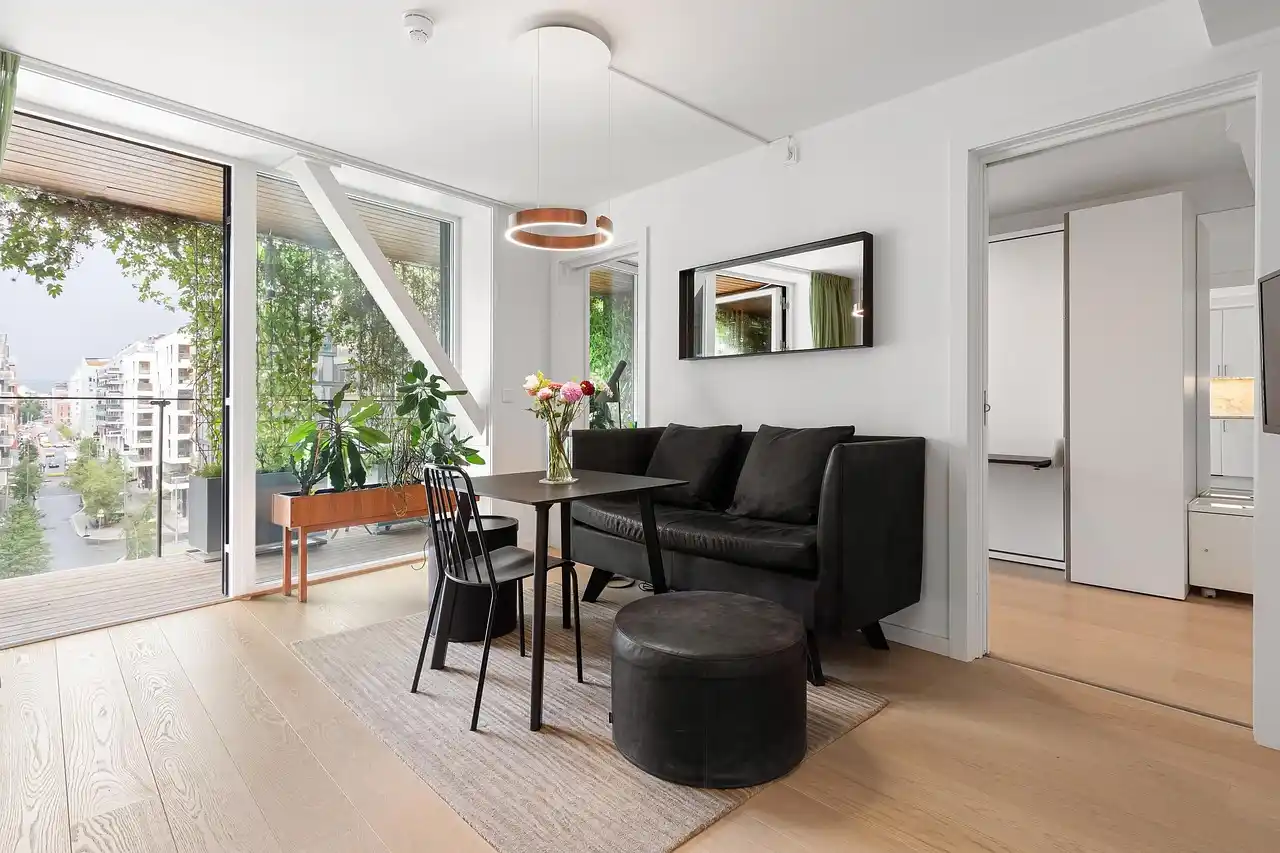
Home window tint is a thin film applied to the interior surface of glass to reduce heat, glare, and UV exposure while maintaining daylight and visibility. It is a practical upgrade for any residence, helping homeowners manage comfort and energy costs without replacing existing windows. Tint films are available in several shades and performance levels, allowing you to tailor results to your climate and lifestyle.
What is home window tint?
Home window tint refers to a solar film or coating that is applied to the inside of glass surfaces. The film blocks infrared heat and a portion of ultraviolet rays while controlling the amount of visible light that enters a room. Most modern films are designed to be durable, scratch resistant, and fade resistant. Depending on the product, tint can be installed on single, double, or triple pane windows and is often backed by a warranty from the manufacturer or installer.
Benefits of home window tint
- Energy savings: By reducing heat gain in summer and heat loss in winter, tint can lower cooling and heating costs in many homes, with typical cooling savings of 5 to 15 percent depending on climate and window orientation.
- UV protection: Most films block up to 99 percent of ultraviolet rays, helping protect furnishings, flooring, and artwork from sun damage.
- Glare reduction and comfort: Tint reduces sun glare, improving comfort in living rooms and home offices without sacrificing daylight.
- Privacy and safety: Some shades provide daytime privacy and the film can hold glass together longer after impact, increasing safety.
Tint types and how they perform
Dyed films
Dyed films absorb solar energy with a dye layer. They are typically the most affordable option and provide good glare control and privacy. They can tint unevenly over time and may fade in strong sun, but they offer excellent value for budget projects.
Metalized films
Metalized films reflect heat using a thin metallic layer. They offer strong heat rejection and durability, but can interfere with electronic signals in some cases and may create a reflective appearance on exterior windows.
Ceramic films
Ceramic films use nonconductive microscopic crystals to block heat and UV without metal. They are among the highest performing options, maintaining clearer views, color stability, and minimal interference with electronics, but at a higher price.
Hybrid films
Hybrid films combine dye and metal or ceramic components to balance cost and performance. They typically provide solid heat rejection, good glare control, and moderate privacy.
Choosing the right tint for your home
Consider climate, window orientation, room function, and daylight needs. South- and west-facing windows typically require higher heat rejection, while bedrooms may benefit from greater privacy. Look for the product’s visible light transmission VLT rating to ensure enough daylight remains for your space. Also check warranties, fade resistance, and whether the film affects window safety performance or glass breakage rules in your area.
Professional install vs DIY
Professional installation offers precise tinting, guaranteed coverage for curved or large panes, and a warranty. A trained installer will prepare the glass, apply the film without bubbles, and cure the film correctly. DIY kits are available, but results depend on your experience and the window shape; improper installation can cause ghosting, peeling, or reduced performance.
Maintenance and regulations
Maintain tint integrity with a soft cloth and mild, non-ammonia cleaners; harsh chemicals can degrade the film. Avoid abrasive scrubbing that could scratch the surface. Before tinting, check local regulations and HOA rules, as some areas limit tint darkness on front windows or require specific visibility standards for safety and aesthetics.
Comparison of tint types
| Tint Type | UV Rejection | Heat Rejection | Glare Reduction | Privacy | Price Range |
|---|---|---|---|---|---|
| Dyed | Up to 99% | Medium | High | Medium | Low |
| Metalized | Up to 99% | High | High | Medium | Medium |
| Ceramic | Up to 99.9% | Very High | Very High | High | High |
| Hybrid | Up to 99% | High | High | Medium-High | Medium |
Choosing the right tint involves balancing energy savings with daylight, view quality, and budget. The best approach is to request samples, review warranty terms, and confirm compatibility with your windows and climate.
Conclusion, home window tint offers energy savings, UV protection, glare control, privacy, and safety. By selecting the right film type, considering climate and daylight needs, and using professional installation, homeowners can achieve reliable, long-lasting results.